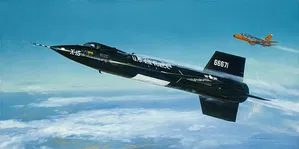
Light the Candles! Giclee On Canvas Artist Proof by Craig Kodera

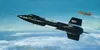
Light the Candles! by Craig Kodera is a giclee on canvas artist proof. Dimensions: 30 X 15. Edition size: Artist Proof of 10. item# GWLIGCAN
 Retail:
$595.00 USD..
|
Your Cost: $506.00 USD..
|
You save $89.25
(15% OFF)
Layaway at Regular price: $595.00 | Plan: 3 payments of $198.33 every 60 days | Questions? Call: 1-800-206-3715
Ends Thursday, April 9, 2026 | Availability There is currently 1 available of Light the Candles! Giclee On Canvas Artist Proof at this price.
Get Your Cost for International Delivery
🇦🇺
🇦🇹
🇩🇰
🇫🇮
🇫🇷
🇩🇪
🇮🇪
🇮🇹
🇯🇵
🇳🇱
🇳🇴
🇪🇸
🇸🇪
🇨🇭
🇬🇧
Craig Kodera is a renowned aviation artist, celebrated for his realistic aircraft paintings and historical flight artwork. With a background as both a pilot and illustrator, his work captures the precision, power, and beauty of aviation from a uniquely informed perspective. Specializing in military aviation art, commercial airliner illustrations, and vintage aviation scenes, Kodera’s fine art aviation prints are sought after by pilots, collectors, and aerospace enthusiasts. His ability to blend technical accuracy with artistic storytelling makes his work a stunning tribute to the world of flight.
Light the Candles! - GWLIGCAN
NOTES: Light the Candles! Beginning at the height of World War II, America joined several other western nations in preparing for high speed/supersonic flight utilizing the new propulsion engine, the jet. Limitations as to thrust of the new engines negated their use in attempting to break the sound barrier and thus, liquid fueled rocket engines were substituted. These "rocket planes" were couched within the government program known as the X Series of aircraft. The X-1 came first, piloted by the famous Chuck Yeager who officially broke the sound barrier in 1947. As each successive airplane was developed and flown, the reach for higher speeds was well underway. By the late 1950s, the X-15 made its debut and promised the highest speed yet for manned aircraft: Mach six, or six times the speed of sound. After successful glide drops, the day for the first rocket powered flight approached and the chief test pilot for North American Aviation, builders of the X-15, Scott Crossfield took to skies, carried aloft under the wing of the B-52 mother ship on 17 September, 1959. Flying over the prescribed 480-mile test route from Nevada to the deserts of Southern California, Crossfield pushed the button and ignited the XLR-11 rocket engines, and history was made. The X-15 went forward with the new NASA and flew 199 test/research missions in its decade-long career. Not only flying faster, it also flew higher, actually reaching the edge of space. Pilots who attained this altitude were awarded astronaut wings. Of the several pilots who flew the aircraft, two future astronauts made their own history flying the craft. One was Joe Engle, someday-Shuttle commander, and the other, a young, sharp Navy pilot named Neil Armstrong. Flying the varied research profiles brought not only invaluable experience to these two pilot-astronauts but also put them on the map for selection into the space program. Armstrong's great repute rewarded him the job of landing the Lunar Module on Tranquility Plain..
Light the Candles! Giclee On Canvas Artist Proof by Craig Kodera
Image Copyright © 2026 by Craig Kodera