
What Is a Serigraph and Why Do Collectors Prefer It Over Other Art Mediums?
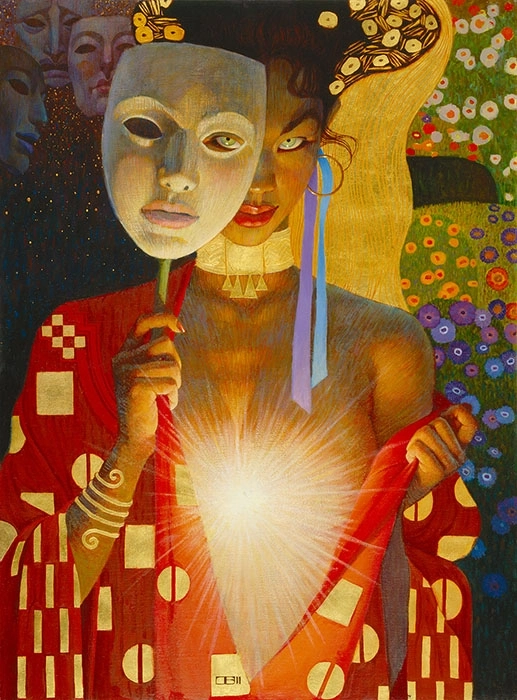
What Is a Serigraph?
A serigraph is a fine art print created through a screen-printing process in which each color is applied separately through a prepared screen. Unlike a standard poster or mass-produced reproduction, a serigraph is built layer by layer, giving the finished artwork a richer surface, stronger color presence, and a more crafted feel.
For collectors, that distinction matters. A serigraph is not simply a picture printed on paper or canvas. It is a produced art edition that often involves careful color separation, specialized inks, skilled printing, and a controlled edition size.
How a Serigraph Is Made
The serigraph process begins by separating the artwork into individual colors. Each color requires its own screen. The printer then pushes ink through the screen onto the surface, usually paper or canvas, one layer at a time.
After one color is applied, the artwork must be aligned again for the next color. This registration process is important because even a small shift can affect the final image. Complex serigraphs may require many screens and many passes before the artwork is complete.
This layered process is one reason serigraphs often have such bold color and visual depth. Instead of relying on a flat printed image, the artwork is gradually built with actual ink layers.
How Serigraphs Compare to Other Art Mediums
Collectors often compare serigraphs with lithographs, giclées, canvas editions, posters, and original paintings. Each has its place, but the differences are important.
A poster is usually mass printed and intended for decorative use. A giclée is a high-quality digital print, often valued for accuracy and detail. A lithograph uses a different printing method and may have a softer, more traditional print character. An original painting is one-of-a-kind and usually priced accordingly.
A serigraph sits in a strong collector category because it combines edition-based availability with a more hands-on production method. It offers something more substantial than a poster, while still being more accessible than many original works.
Why Collectors Like Serigraphs
Collectors are often drawn to serigraphs because of their color intensity, texture, and limited edition appeal. The ink can feel more present on the surface, giving the artwork a dimensional quality that many collectors appreciate when viewing it in person.
Serigraphs are especially popular when the artwork features strong shapes, bold color fields, clean outlines, or dramatic contrast. These qualities often translate beautifully through the screen-printing process.
For many buyers, a serigraph also feels more connected to the craft of printmaking. There is a physical process behind the finished piece, and that process helps separate it from ordinary reproduction printing.
Edition Size, Numbering, and Authenticity
Many collectible serigraphs are released as limited editions. This means the total number produced is fixed, and each piece may be numbered, such as 125/300. The first number identifies the individual piece, while the second number identifies the total edition size.
Collectors should also look for important authenticity details, including the artist signature, publisher information, certificate of authenticity when available, edition number, and condition. These details help confirm what the artwork is and where it belongs within the edition.
At The Collection Shop, collectors often look closely at edition details because they help determine desirability, scarcity, and long-term collector confidence.
When Collectors Choose a Serigraph
A collector may choose a serigraph when they want artwork with strong visual impact, limited edition status, and a more involved production process than a standard print. Serigraphs are often a good choice for collectors who want a piece that feels refined, display-worthy, and edition-based without moving into original artwork pricing.
A collector may choose a giclée when the artwork relies on fine detail, painterly blending, or photographic accuracy. They may choose canvas when they want a gallery-style presentation. They may choose an original when uniqueness is the highest priority.
The best choice depends on the artwork, the artist, the edition, and the collector’s personal goals. For many collectors, serigraphs offer an appealing balance of craftsmanship, color, scarcity, and value.
Final Thoughts
A serigraph is more than a printed image. It is a fine art edition created through a layered screen-printing process that gives the artwork color strength, surface presence, and collector appeal.
For collectors who value craftsmanship, authenticity, and limited editions, serigraphs remain one of the most respected and enjoyable art mediums to collect.
Explore Collectible Fine Art
Browse curated limited editions, signed artwork, licensed collectibles, and meaningful pieces selected for collectors and gift buyers.
Visit The Collection Shop