
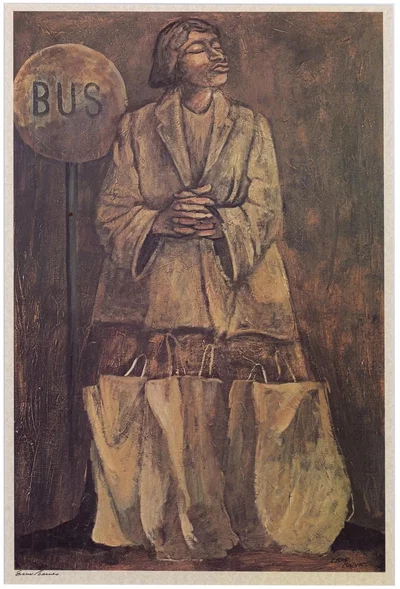
Ernie Barnes Art Gallery
Gallery updated on Tuesday, June 16, 2026
Authorized Dealer
Limited Editions
Numbered Series
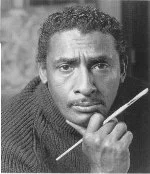
Ernie Barnes was born July 15, 1938. Endowed with an innate sensitivity, he knew early in life that he wanted to become an artist. Initial impressions were fashioned in the rich soil of Durham, North Carolina, while his sensibilities were cultivated in a loving home by his parents, Ernest Sr. and Fannie (Geer) Barnes. As a child, he often accompanied his mother to the home of the prominent attorney, Frank Fuller, Jr., where she worked as a domestic. Through his expansive library, Fuller introduced Barnes to the works of the great master artists such as Rembrandt, Raphael and Michelangelo.
Amidst the harshness of life in the segregated south in the1940's, artistic ambitions would prove to be an impossibility. His father echoed the sentiments of many in ridiculing and forbidding young Ernest's desire to be an artist. His peers also asserted their disdain by beating him on a daily basis. The isolation and despair of this shy, fat, un-athletic boy plagued him until he reached junior high school. Through the constant encouragement of one of his teachers, he painstakingly reinvented himself, graduating from high school with 26 football scholarships and the respect of the entire community.
Shielded by the virility of football, Barnes majored in art. He would have preferred to attend the local Duke University or University of North Carolina at Chapel Hill, but blacks were not yet allowed on those campuses. He received his academic training at North Carolina College (now North Carolina Central University) in Durham, and is an heir to the legacy of the Harlem Renaissance, which was handed down by his teachers W. B. Fletcher and Ed Wilson. Emphasizing skill and the fundamentals, their traditional courses gave Barnes the necessary foundation to develop his own style. His desire to become an artist, however, was deeply challenged on a 1956 field trip to the newly-desegregated North Carolina Museum of Art. When he was unable to find paintings of or by blacks anywhere in the museum, he asked where they were exhibited. In response, the Caucasian docent summed up the prevailing attitude of the time when she emphatically declared, "Your people don't express themselves this way." In that instance, Barnes realized the prejudices and hurdles he would have to overcome in his quest to be an artist, and the gravity of the task he had set out for himself.
Having acquired the necessary tutelage, Barnes' principal ambition was to become the artist he was told he could never be. His figurative mode of expression, however, was completely contrary to the abstract paintings which had come into vogue. Without a role model or resource for encouragement in art, Barnes instead entered the arena of professional football. In 1960, he was the 10th draft choice of the then-World Champion Baltimore Colts. He spent five successful seasons as an offensive guard for the San Diego Chargers (1960-62), and later for the Denver Broncos (1963-64). Many of his early works reflected his time on the playing field. He credits the energy of the game for inspiring his mannerist style of painting and fluidity of technique.
In 1965, Barnes retired from football to devote his life to art. His break into the art world came when former hotel chairman and Charger team owner Barron Hilton facilitated a meeting with the late New York Jets owner, David Werblin. Following a critical art evaluation in which Barnes was deemed "the most expressive painter of the American scene since George Bellows," Werblin paid Barnes his football salary to quit football and hone his skills as an artist. Recognizing the racial barriers inherent in America's infrastructure, Werblin sponsored Barnes' first solo exhibition, placing him with Manhattan's prestigious Grand Central Art Galleries.
Following that sold-out show, Barnes moved to Los Angeles and began exhibiting his art consistently. Away from his easel, he pursued opportunities in the entertainment industry and created the CBS Super Comedy Bowl, which aired from 1969-1970. As an actor, he had featured roles in three films: Number One with Charlton Heston; Doctors' Wives, and Don't Look Back, the story of Satchel Paige. He also appeared on the ABC television series, Doctors' Hospital for one season. Barnes found great success in Hollywood, and the entertainment community simultaneously embraced him as an artist by avidly collecting his work.
The social and political climate of the late 1960's and early 1970's ignited Barnes' imagination. As civil rights and the black pride movement exploded, he was providing positive and tangible examples. His vision was presented in 1971 through his solo exhibition, The Beauty of the Ghetto. Hosted by the late Mayor Tom Bradley, it premiered in Los Angeles at the Heritage Gallery, with several successive showings, including a 1974 presentation hosted by Ethel Kennedy in Washington, D.C. The exhibition filled a void, as it was the first visible testimony to illuminate the endearing and virtuous aspects of black life in America. The response was overwhelming. One of the paintings from the exhibition, titled Sugar Shack became the most visible painting by an American artist since Edward Hopper's Nighthawks. The image was used by producer Norman Lear for the opening credits of his television show Good Times, and by Marvin Gaye as the cover to his 1976 album. The unifying effects of the exhibition garnered Barnes many accolades, and in 1974 Representative John Conyers wrote Barnes into the Congressional Record.
This memorable exhibition intentionally moved away from themes of social and political protest. By giving vision to the common properties in the daily lives of African Americans, Barnes defined the very essence of a culture. His work and unique style influenced countless artists to emulate him, forging the path for what has become known as "black art" in America. Due to the impact of the exhibition, many have tried to identify Barnes solely as an interpreter of African American life, but to do so would only dilute his true impact on mainstream American painting. He is a synthesizer of all cultures who integrates the fundamental tenants of Western civilization. As an artist, his oeuvre seeks to inspire, educate and reacquaint us with ourselves and those around us. Based on his diverse life experiences, he suggests a world of aesthetics and harmony, portraying the human figure with vivid palpability. His command of movement, particularly in his sports paintings, earned him the appointment as Official Artist of the XXIII Olympiad at Los Angeles in 1984.
Barnes has five children from two previous marriages. He and his wife, Bernie, support arts in education through their active involvement with the Los Angeles Unified School District wide Arts Program. Acting as a role model, he seeks to encourage and support the mental, emotional and creative efforts of all children. His 1992 painting "Growth Through Limits," depicting three culturally diverse youths watching a fragile flower grow through a crack in the cement, is a visual metaphor to inspire children. At the request of city officials, Barnes licensed the painting for use as a billboard in urban Los Angeles. After creating an essay contest for students at the junior high school level, Barnes awarded the winner a cash prize for interpreting the painting's symbolic message. He endeavors to further advance the vital role the arts can play in education through speaking engagements and other associations.
In 1995, Barnes completed his autobiography From Pads to Palette, which recounts his transformation from a football player to artist.
Amidst the harshness of life in the segregated south in the1940's, artistic ambitions would prove to be an impossibility. His father echoed the sentiments of many in ridiculing and forbidding young Ernest's desire to be an artist. His peers also asserted their disdain by beating him on a daily basis. The isolation and despair of this shy, fat, un-athletic boy plagued him until he reached junior high school. Through the constant encouragement of one of his teachers, he painstakingly reinvented himself, graduating from high school with 26 football scholarships and the respect of the entire community.
Shielded by the virility of football, Barnes majored in art. He would have preferred to attend the local Duke University or University of North Carolina at Chapel Hill, but blacks were not yet allowed on those campuses. He received his academic training at North Carolina College (now North Carolina Central University) in Durham, and is an heir to the legacy of the Harlem Renaissance, which was handed down by his teachers W. B. Fletcher and Ed Wilson. Emphasizing skill and the fundamentals, their traditional courses gave Barnes the necessary foundation to develop his own style. His desire to become an artist, however, was deeply challenged on a 1956 field trip to the newly-desegregated North Carolina Museum of Art. When he was unable to find paintings of or by blacks anywhere in the museum, he asked where they were exhibited. In response, the Caucasian docent summed up the prevailing attitude of the time when she emphatically declared, "Your people don't express themselves this way." In that instance, Barnes realized the prejudices and hurdles he would have to overcome in his quest to be an artist, and the gravity of the task he had set out for himself.
Having acquired the necessary tutelage, Barnes' principal ambition was to become the artist he was told he could never be. His figurative mode of expression, however, was completely contrary to the abstract paintings which had come into vogue. Without a role model or resource for encouragement in art, Barnes instead entered the arena of professional football. In 1960, he was the 10th draft choice of the then-World Champion Baltimore Colts. He spent five successful seasons as an offensive guard for the San Diego Chargers (1960-62), and later for the Denver Broncos (1963-64). Many of his early works reflected his time on the playing field. He credits the energy of the game for inspiring his mannerist style of painting and fluidity of technique.
In 1965, Barnes retired from football to devote his life to art. His break into the art world came when former hotel chairman and Charger team owner Barron Hilton facilitated a meeting with the late New York Jets owner, David Werblin. Following a critical art evaluation in which Barnes was deemed "the most expressive painter of the American scene since George Bellows," Werblin paid Barnes his football salary to quit football and hone his skills as an artist. Recognizing the racial barriers inherent in America's infrastructure, Werblin sponsored Barnes' first solo exhibition, placing him with Manhattan's prestigious Grand Central Art Galleries.
Following that sold-out show, Barnes moved to Los Angeles and began exhibiting his art consistently. Away from his easel, he pursued opportunities in the entertainment industry and created the CBS Super Comedy Bowl, which aired from 1969-1970. As an actor, he had featured roles in three films: Number One with Charlton Heston; Doctors' Wives, and Don't Look Back, the story of Satchel Paige. He also appeared on the ABC television series, Doctors' Hospital for one season. Barnes found great success in Hollywood, and the entertainment community simultaneously embraced him as an artist by avidly collecting his work.
The social and political climate of the late 1960's and early 1970's ignited Barnes' imagination. As civil rights and the black pride movement exploded, he was providing positive and tangible examples. His vision was presented in 1971 through his solo exhibition, The Beauty of the Ghetto. Hosted by the late Mayor Tom Bradley, it premiered in Los Angeles at the Heritage Gallery, with several successive showings, including a 1974 presentation hosted by Ethel Kennedy in Washington, D.C. The exhibition filled a void, as it was the first visible testimony to illuminate the endearing and virtuous aspects of black life in America. The response was overwhelming. One of the paintings from the exhibition, titled Sugar Shack became the most visible painting by an American artist since Edward Hopper's Nighthawks. The image was used by producer Norman Lear for the opening credits of his television show Good Times, and by Marvin Gaye as the cover to his 1976 album. The unifying effects of the exhibition garnered Barnes many accolades, and in 1974 Representative John Conyers wrote Barnes into the Congressional Record.
This memorable exhibition intentionally moved away from themes of social and political protest. By giving vision to the common properties in the daily lives of African Americans, Barnes defined the very essence of a culture. His work and unique style influenced countless artists to emulate him, forging the path for what has become known as "black art" in America. Due to the impact of the exhibition, many have tried to identify Barnes solely as an interpreter of African American life, but to do so would only dilute his true impact on mainstream American painting. He is a synthesizer of all cultures who integrates the fundamental tenants of Western civilization. As an artist, his oeuvre seeks to inspire, educate and reacquaint us with ourselves and those around us. Based on his diverse life experiences, he suggests a world of aesthetics and harmony, portraying the human figure with vivid palpability. His command of movement, particularly in his sports paintings, earned him the appointment as Official Artist of the XXIII Olympiad at Los Angeles in 1984.
Barnes has five children from two previous marriages. He and his wife, Bernie, support arts in education through their active involvement with the Los Angeles Unified School District wide Arts Program. Acting as a role model, he seeks to encourage and support the mental, emotional and creative efforts of all children. His 1992 painting "Growth Through Limits," depicting three culturally diverse youths watching a fragile flower grow through a crack in the cement, is a visual metaphor to inspire children. At the request of city officials, Barnes licensed the painting for use as a billboard in urban Los Angeles. After creating an essay contest for students at the junior high school level, Barnes awarded the winner a cash prize for interpreting the painting's symbolic message. He endeavors to further advance the vital role the arts can play in education through speaking engagements and other associations.
In 1995, Barnes completed his autobiography From Pads to Palette, which recounts his transformation from a football player to artist.
Ernie Barnes Current Portfolio
Rock Of Ages
High Aspirations
Disco Signed And Numbered Limited Edition
Eight Ball Artist Signed
The Big Lineman
The Competitive Spirit Signed And Numbered Artist Proof
High Aspirations-Unsigned
To Know Defeat Artist Signed
The Pulling Guard
The View
Destination Unknown Signed And Numbered Limited Edition
Pause Caf'/cofee Break-Signed
The Palace Barber Shop Artist Signed
Excellence-Unsigned
The Story Teller Lithograph
Effort-Signed
In The Beginning Signed And Numbered Limited Edition
The Advocate
The Tunesmith
Paul Westphall In Action
Street Song
The Graduate
Tete-A-Tete Signed And Numbered Limited Edition
Practice Wall
The Comedian Signed And Numbered Limited Edition
Ring Around The Rosie-Unsigned
Olympic Boxing Limited Edition Pencil Signed
The Beauty Of The Ghetto Portfolio Cover
From The Pocket
Pause Cafe/cofee Break-Unsigned
Two Linemen
The Bassist
The Dream Unfolds Signed And Numbered Limited Edition
Achievement-Unsigned
Olympic Gymnast Limited Edition Pencil Signed
Sugar Shack
Ninety Nine, A Hundred-Signed
The Backstretch Signed And Numbered Limited Edition
The Bomb
The Bench Signed And Numbered Limited Edition
Main Street Pool Hall Artist Proof
Boxing Gym
The Runner
Climatic Conditions Artist Proof Signed
Window Wishing-Signed
Excellence-Signed
Victory In Overtime
From Pads To Palette
Singin Sistahs-Unsigned
1984 Limited Edition Olympic Series Numbered Set Hand Signed in Pencil
Neighborhood Games Limited Edition Pencil Signed
Ninety Nine, A Hundred
Achievement-Signed
The Fullback Artist Signed
Girlfriends Serigraph
The Finish Olympic Track Limited Edition Pencil Signed
The Maestro
Skins And Shirts-Signed
Soft Power Signed And Numbered Limited Edition